


Special Week on Epidemiology and Health Services 2024
- 20 Years of Trans Visibility in Brazil – Towards a More Diverse and Accessible Unified Health System
- Self-assessment of health in Manaus reveals inequalities and food insecurity.
- Multimorbidity and use of health services among Brazilians
- Perineal laceration occurs in almost half of postpartum women in Brazil.
- What is known about the prevention of Sudden Infant Death Syndrome (SIDS)?
- Vaccination against Covid-19 reduces the risk of death, especially after booster doses.
- Correlations between internet searches for hookah and the prevalence of use among young people in Brazil.
- Reports of violence against children increased in Brazil between 2011 and 2019.
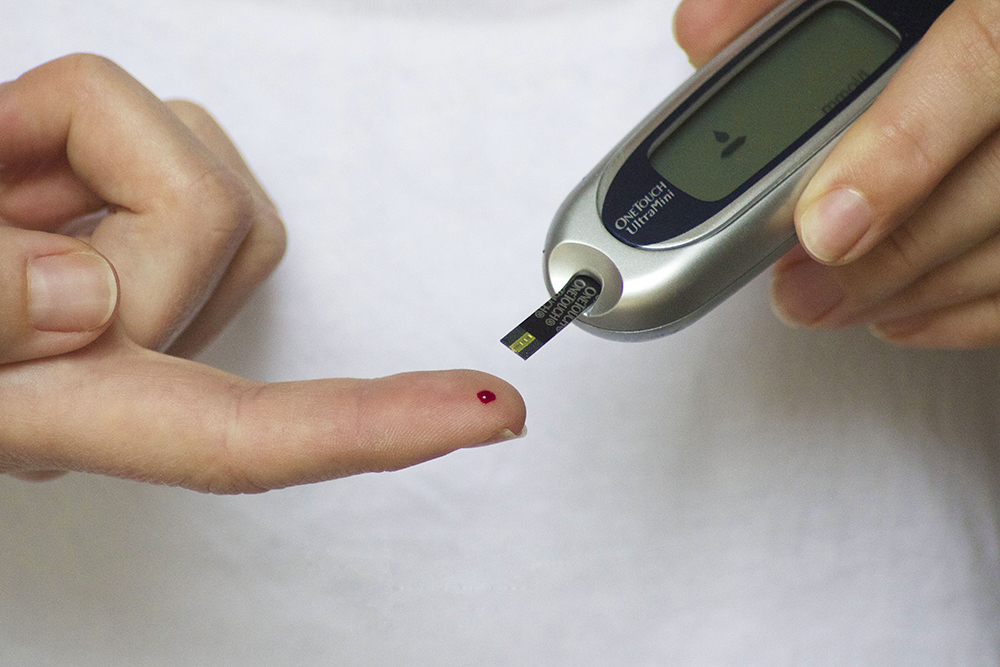
- Hospitalization costs for diabetes increased in Brazil between 2011 and 2019.

Doroteia Aparecida Höfelmann, Associate Editor of the journal Epidemiology and Health Services: a journal of the Brazilian Unified Health System (SUS), professor at the Federal University of Paraná (UFPR), Curitiba, PR, Brazil.
The article “Temporal trend and costs of hospitalizations with primary diagnosis of diabetes mellitus in the Brazilian Unified Health System, 2011 to 2019” , published in Epidemiology and Health Services: SUS Journal (vol. 32, no. 4), analyzed the costs of hospitalizations for diabetes in Brazil from 2011 to 2019, according to region, Federative Units (States) and characteristics of the people.
The study was conceived by researchers from the University of Southern Santa Catarina (UniSul), and included researchers from the Pan American Health Organization (PAHO) and the Federal University of Rio Grande do Sul (UFRGS). The authors used information from the Hospital Information System, a system that aims to aggregate information on care resulting from hospitalizations financed by the Unified Health System (SUS).
Image: PxHere .
During the period evaluated, 1,239,574 hospitalizations with a primary diagnosis of diabetes were recorded in the country, representing 1.2% of the total hospitalizations in the Brazilian Unified Health System (SUS). There was a reduction in the number of hospitalizations in most regions of Brazil. On the other hand, there was a notable increase in hospitalizations among the younger population and in the length of hospital stay. The estimated expenditure exceeded US$420,000, with a growing trend during the period.
Image: PxHere .
The study warns of the increase in hospitalizations of children and adolescents, indicating the need to invest in preventive measures and timely diagnosis. The authors highlight that “the increase in length of stay and related costs indicates a worrying scenario for the Brazilian Unified Health System (SUS) and emphasizes the need to improve access to and quality of care, focusing on diabetes education, thus preventing complications and hospitalizations.”